Made Here, Stayed Here: The Southern Manufacturing Comeback Nobody Saw Coming
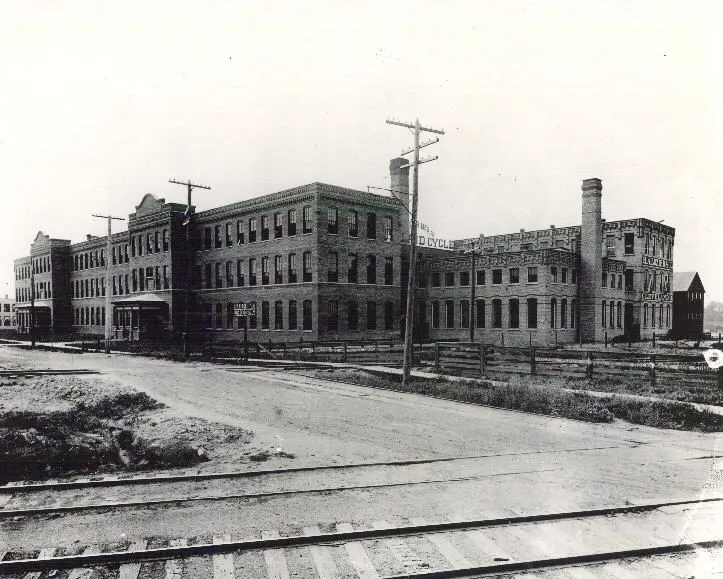
Photo: Mensing, Charles F., 1880-1950, Public domain, via Wikimedia Commons
Drive down any two-lane highway in rural Georgia, Alabama, or Tennessee these days and you might notice something you haven't seen in a while — loading docks buzzing with activity, help-wanted signs staked into the ground, and the kind of steady hum coming from a building that means somebody inside is actually making something.
It's not a coincidence. It's a movement.
Southern manufacturers — from firearms component suppliers to outdoor equipment fabricators to precision metalworking shops — are quietly pulling operations back from overseas and replanting them right here in American soil. Call it reshoring, call it economic patriotism, call it common sense. Whatever the label, the results are showing up in payroll checks and property tax receipts all across Dixie.
Why They Left, and Why They're Coming Back
The exodus of American manufacturing overseas didn't happen overnight. Through the 1990s and into the 2000s, the economics seemed bulletproof — cheaper labor, lower overhead, and a global supply chain that hummed along like a well-oiled machine. Southern factories shuttered. Good-paying jobs evaporated. Whole towns hollowed out.
But then the cracks started showing.
The COVID-19 pandemic was the gut punch that made everyone pay attention. When container ships stacked up in Pacific ports and raw material shortages cascaded through every industry imaginable, business owners who had offshore dependencies found themselves dead in the water. The firearms and outdoor gear sectors felt it hard — components they'd been sourcing from Asian suppliers simply stopped arriving.
"We had orders we couldn't fill because we were waiting on parts that were sitting on a boat somewhere," says Marcus Delray, owner of a firearms accessory company based outside Huntsville, Alabama. "That was the moment I said, 'never again.' We started looking at what it would take to bring everything back stateside, and specifically back to the South where I grew up and where I knew the workforce."
Delray's story isn't unique. According to data from the Reshoring Initiative, a nonprofit that tracks domestic manufacturing trends, the U.S. brought back or retained over 350,000 manufacturing jobs in 2022 alone — the highest single-year figure on record. The South has captured a disproportionate share of that growth, thanks to lower regulatory overhead, business-friendly state governments, and a deep reservoir of skilled and semi-skilled labor that never fully disappeared.
The Supply Chain Reckoning
For Southern companies in the firearms and outdoor industries, supply chain resilience isn't just a business strategy — it's a matter of principle. When you're building products that people depend on for protection, for hunting, for their livelihoods outdoors, the last thing you want is your production timeline held hostage by a foreign port or a geopolitical spat on the other side of the world.
That's the argument Randy Tolliver makes every time he talks to a potential client. Randy runs a steel fabrication outfit in rural East Tennessee that shifted entirely to domestic sourcing three years ago. The transition cost him more upfront — he's transparent about that — but the payoff has been reliability that money can't fully quantify.
"My customers know when they place an order with me, I can tell them exactly when it ships because I know exactly where every piece of material comes from," Randy says, leaning back in a chair that looks like it's survived about thirty years of hard use. "That kind of certainty is worth a premium, and increasingly, customers are willing to pay it."
That consumer sentiment shift is backed up by hard numbers. A 2023 survey by the Reshoring Institute found that 70% of American consumers said they preferred buying products made in the United States, and nearly half said they'd pay more for that assurance. In the firearms and outdoor markets — categories with a particularly patriotic customer base — those numbers trend even higher.
Rural Communities Feeling the Ripple
The economic effects of reshoring don't stay inside the factory walls. When a manufacturing plant opens or expands in a small Southern town, the ripple moves fast. Local diners pick up new regulars. Hardware stores stock more inventory. Young people who might have left for bigger cities start thinking twice.
In Gadsden, Alabama, a mid-sized outdoor equipment manufacturer recently added a second shift after moving component production back from overseas. That single decision created 47 direct jobs — and local economic development officials estimate it triggered another 60 or so indirect positions in the surrounding county through increased demand for local services.
"These aren't just jobs, they're careers," says county economic development director Sheila Brandt. "We're talking about positions with benefits, with room to advance, in industries that aren't going anywhere. That changes the trajectory of a community."
For towns that spent decades watching their manufacturing base disappear, that kind of language sounds almost too good to be true. But the evidence is stacking up.
The "Made in the South" Brand
There's something else driving this trend that goes beyond spreadsheets and logistics maps — regional pride. Southern manufacturers have figured out that "Made in the South" carries real weight with their customer base. It signals craftsmanship, durability, and a no-shortcuts ethos that resonates deeply with the hunters, sport shooters, outdoorsmen, and working folks who buy their products.
Companies that lead with their Southern roots and domestic production aren't just selling a product — they're selling an identity. And in a market crowded with overseas-made alternatives, that identity is a genuine competitive advantage.
"People want to know the hands that built what they're buying," Marcus Delray says. "When you can tell them those hands are right here in Alabama, that means something. That closes sales."
The silent revolution is getting louder. And if you're paying attention, you can hear it in every shift whistle that blows across the Southern manufacturing belt — a sound that says the jobs came home, and this time, they're staying.