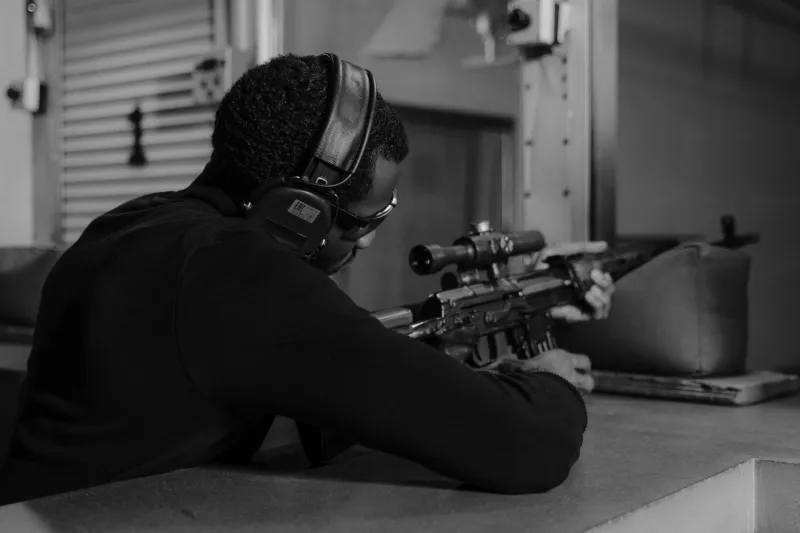
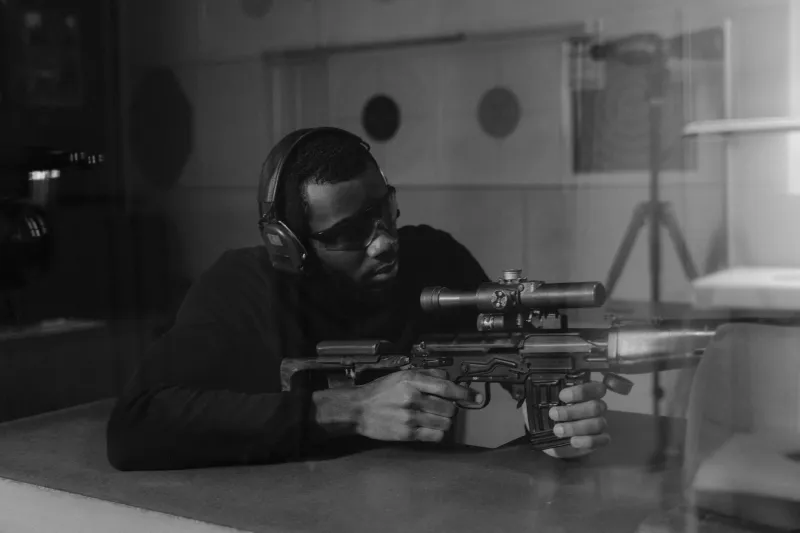
Earned, Not Streamed: The Floor Wisdom of Southern Shooting Ranges That the Internet Can't Replicate
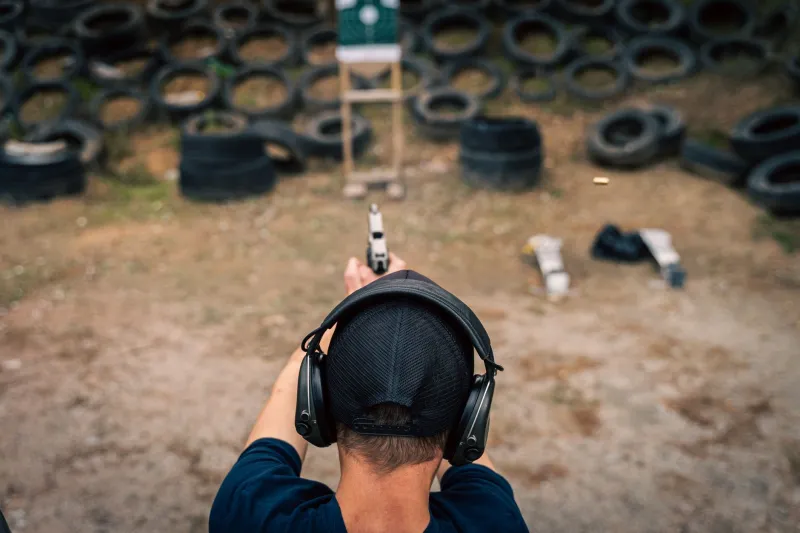
There's a moment every new shooter eventually faces at a traditional Southern range. You've watched a dozen videos. You've read the forums. You think you've got a handle on things. Then an older gentleman two lanes down walks over, not with a clipboard or a laminated safety card, but with a quiet look and three words: "Let me show you."
That moment — that quiet, unhurried transfer of knowledge — is the entire point.
You can't download it. You can't pause it, rewind it, or find it in a comment section. It lives in the space between people, in the kind of community that only grows when real folks show up in person, week after week, with the same respect for the craft and the same seriousness about safety.
The Unwritten Curriculum
Ask any range master worth his salt what the most important things are that he teaches, and he'll probably pause before answering. Not because he doesn't know — but because most of it has never been written down anywhere.
"The rules on the board, those are the floor," says one longtime range officer out of central Alabama who's been running his family's outdoor range for nearly thirty years. "What I'm really teaching people is everything above the floor. How to read a line. How to know when somebody's having a bad day and needs a little extra space. When to speak up and when to just watch."
That's the thing about Southern range culture that outsiders often miss. The etiquette isn't just about safety in a technical sense — though it absolutely is that. It's about situational awareness as a habit of character. It's about developing the kind of steady, thoughtful presence that makes everyone around you safer and more confident.
You learn to announce yourself before you step up. You learn to keep your muzzle honest even when you think nobody's watching — especially when you think nobody's watching. You learn that the cold range command isn't a suggestion and that moving on it before it's given tells everyone present something about who you are.
None of that is in a YouTube tutorial.
What Mentorship Looks Like in Practice
The informal mentorship structure at traditional Southern ranges is something that developed organically over generations, and it functions in a way that formal instruction often can't replicate. It's not a class. There's no certificate at the end. It's closer to an apprenticeship — one built on proximity, repetition, and trust.
Older shooters watch. They observe. When they see something worth correcting, they correct it — but they do it in a way that preserves dignity. "I was seventeen the first time a man pulled me aside at our club," recalls a competitive shooter from East Tennessee. "I was flagging the line with my barrel and didn't even realize it. He didn't embarrass me. He just walked me through it like it was the most natural thing in the world. I never forgot it. And I've done the same thing for probably fifty younger shooters since then."
That chain of quiet correction and patient instruction is the real infrastructure of responsible gun culture in the South. It's not the laws, though those matter. It's not the coursework, though that has its place. It's the human chain — person to person, range day to range day — that keeps the standard high and the culture grounded.
The Role of Community Standards
Every range has its own personality, shaped by the people who built it and the community it serves. But there are throughlines across the South that feel almost universal — a particular kind of seriousness about safety that coexists with genuine warmth and welcome.
First-time visitors are usually noticed and acknowledged. Somebody will introduce themselves. Somebody will offer a few friendly pointers before the first shot is fired. That's not an accident. It's a cultural inheritance, the same kind of hospitality that shows up at a church potluck or a volunteer fire department fundraiser.
"We want people to feel welcomed, but we also want them to understand from the jump that this place has standards," explains a range master from north Mississippi. "You respect the range, you respect the other shooters, and you respect the firearm in your hands. We don't apologize for that. It's what keeps everybody safe and coming back."
Those community standards also serve a corrective function that formal training rarely achieves. When a new shooter behaves carelessly and gets a firm but respectful correction from an elder in front of peers, the lesson lands differently than it would in a classroom. There's social weight to it. There's accountability. And there's also the implicit message: you belong here, and because you belong here, we hold you to the standard.
What Gets Lost When We Move Everything Online
This isn't an argument against modern training resources. Good instructional content has its place, and there's no shortage of genuinely excellent material available for shooters at every level. The problem isn't the content — it's the illusion of completeness that screens can create.
A video can show you trigger discipline. It cannot make you feel the weight of responsibility that settles over a firing line when a command is given. It can explain the four rules. It cannot teach you how to read the energy of a crowd of armed strangers and calibrate your behavior accordingly. It can demonstrate a proper grip. It cannot give you the fifteen years of muscle memory that makes that grip automatic under stress.
The Southern range tradition understands this implicitly. The old-timers who built these clubs didn't have online resources. They had each other. They built cultures of accountability and care that were dense enough to survive generational turnover — not because they wrote everything down, but because they showed up and passed it on.
Showing Up Is the Point
If you're newer to shooting, or if you've been at it a while but mostly solo, there is no substitute for finding a range with real community roots and becoming a regular. Not just a customer — a regular. Someone who shows up often enough that the range master knows your name and the old-timers start to nod when you walk through the gate.
That's when the real education begins. Not from a screen, not from a manual, but from the slow accumulation of shared range days, quiet corrections, and the kind of trust that only comes with time and consistent presence.
Built South. Built Tough. Built Right — that's not just a tagline. It's a description of how knowledge worth having actually gets made. And out here on the range, that's still true as ever.