Fake Rounds, Real Danger: The Counterfeit Ammo Crisis Hitting Southern Rural Communities Hard
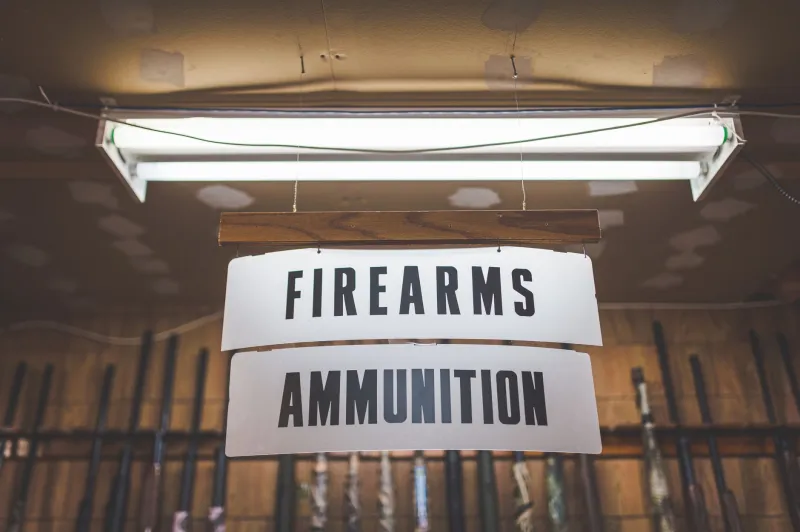
Somebody is lying to you at the feed store.
Not the owner — he probably doesn't even know. But somewhere between the manufacturer and that cardboard box sitting on the shelf, something went wrong. The label looks right. The box feels right. The price is maybe even a little better than usual, which should've been your first clue. But what's inside those casings? That's where the story gets dangerous.
Counterfeit ammunition — fake rounds packaged to look like trusted Southern-made brands — has been quietly infiltrating rural markets across the region. It's not a rumor. It's not an isolated incident. It's a growing, organized problem that legitimate manufacturers are scrambling to address, and it's one that most everyday gun owners haven't heard a single word about.
How Bad Is It, Really?
Industry insiders who've been tracking the issue say the counterfeit ammo pipeline has expanded significantly over the past three to four years. The spike in demand during the ammo shortages of the early 2020s created a perfect storm: desperate buyers, thin inventories, and a gray market that was more than happy to fill the gap with product that looked legitimate but wasn't.
Rural communities got hit especially hard. Smaller towns with fewer retail options and less consumer protection infrastructure became prime targets. When your nearest big-box sporting goods store is an hour away and the local hardware shop has a box of .308 on the shelf, you're probably not pulling out a magnifying glass to inspect the headstamp before you hand over your cash.
That's exactly what counterfeiters are counting on.
Some of the fake product originates overseas — particularly from operations in Eastern Europe and parts of Asia — where packaging mimicking popular American brands has become a cottage industry. Other counterfeits are domestic in origin, assembled from mismatched or substandard components and repackaged under well-known Southern manufacturer names to move product faster.
The Safety Risks Are Not Theoretical
This isn't just a brand integrity issue. It's a safety issue, and a serious one.
Counterfeit ammunition can fail in ways that range from embarrassing to catastrophic. Underpowered loads can cause squib rounds — where a bullet lodges in the barrel — setting up the next shot to be genuinely explosive. Overpowered or inconsistently loaded rounds can blow primers, crack receivers, or cause more dramatic failures that injure shooters and bystanders alike.
Beyond pressure issues, counterfeit ammo often uses inferior brass or steel casings that don't meet dimensional tolerances. That means feeding problems, extraction failures, and the kind of malfunctions that turn a hunting trip into an emergency room visit.
Gunsmiths in rural communities are already seeing the downstream effects. More misfires. More damaged extractors. More customers coming in confused about why their reliable rifle is suddenly acting up. The common thread, in more than a few cases, has been ammo purchased from unfamiliar or unverified sources.
Southern Manufacturers Are Fighting Back
The legitimate makers aren't sitting on their hands. Several Southern-based ammunition companies have quietly ramped up anti-counterfeiting measures over the past two years, though most are reluctant to discuss specifics publicly — partly to avoid tipping off the counterfeiters, and partly because acknowledging the problem too loudly risks spooking consumers.
What's being implemented behind the scenes includes serialized lot numbers with internal verification databases, QR codes that link to authentication portals, tamper-evident packaging seals, and in some cases, microscopic markings on the casings themselves that are nearly impossible to replicate without the same tooling.
Some manufacturers have also started working directly with regional distributors and local retailers to tighten their supply chains, reducing the number of hands the product passes through before it reaches the end buyer. Fewer handoffs means fewer opportunities for counterfeit product to get swapped in.
Legal action has followed in some cases. Federal trademark and product liability laws give legitimate manufacturers real teeth when they can identify and pursue counterfeiters, and several civil cases are currently working their way through the system. But prosecution moves slowly, and the counterfeit pipeline doesn't wait for the courts.
How to Protect Yourself Before You Buy
Until the industry fully gets its arms around this problem, the burden falls partly on you as a consumer. That's not fair, but it's the reality. Here's how to reduce your risk:
Buy from known, established sources. This doesn't mean you can't shop local — local is great. But know your retailer. A shop that's been in your community for twenty years with a real reputation to protect is a different animal than a pop-up vendor at a gun show or a random online storefront with no verifiable history.
Inspect the packaging carefully. Legitimate manufacturers invest in quality packaging. Look for crisp printing, consistent fonts, and properly seated box tabs. Blurry logos, off-color ink, and sloppy construction are red flags. Compare the box to images on the manufacturer's official website if you're unsure.
Check the headstamp. Every legitimate round from a reputable manufacturer will have a consistent, cleanly stamped headstamp. Counterfeits often show inconsistencies — uneven depth, smeared markings, or headstamps that don't match the claimed manufacturer at all.
Use the manufacturer's authentication tools if they exist. If the brand you're buying has a QR code or verification number on the box, use it. Takes thirty seconds and could save you a trip to the ER.
Trust your gut on price. If a box of premium Southern-made .223 is priced significantly below market rate, ask why. A deal that seems too good usually is.
Report suspicious product. If you suspect you've purchased counterfeit ammunition, don't just throw it away and move on. Contact the manufacturer directly and report the purchase location. That information helps them track the supply chain and take action.
The Bigger Picture
Counterfeit ammunition is ultimately an attack on something bigger than any single brand. It's an attack on trust — the trust that Southern gun owners have built with Southern manufacturers over generations. When somebody fakes a round and puts a legitimate company's name on it, they're not just stealing revenue. They're borrowing a reputation built on decades of honest work and using it to put people in danger.
That's not something the Southern firearms community is going to tolerate quietly.
The manufacturers are adapting. The retailers are being educated. And now, hopefully, so are you. Because an informed buyer is the hardest target of all — and in this fight, that matters more than most people realize.
Stay sharp. Know what you're buying. And if something doesn't look right, trust that instinct. Your rifle — and your safety — depend on it.