Woven Tough: The Southern Textile Mills Stitching American Tactical Gear Back Together
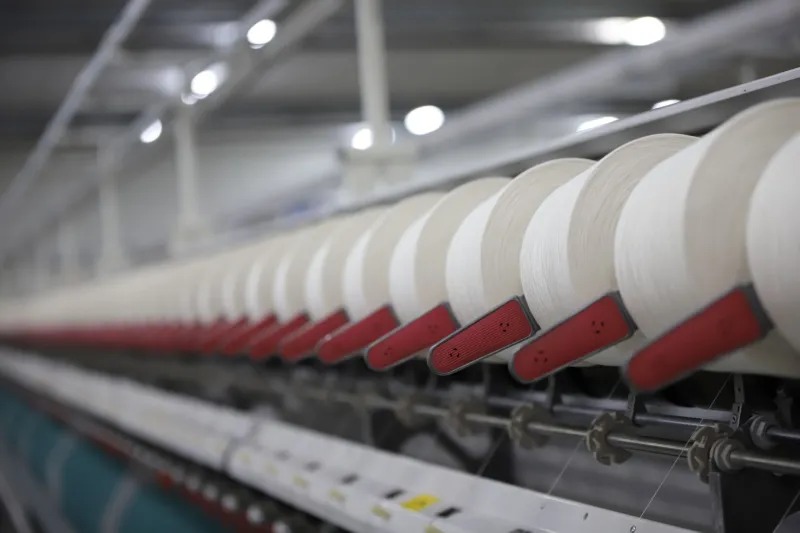
Walk into the right building in Gaffney, South Carolina, or just outside Dalton, Georgia, and you'll hear it before you see it — that rhythmic mechanical clatter, the tension and release of a loom at full pace. It's a sound that used to define entire communities across the American South. For a stretch of decades, though, it went quiet. Mills shuttered. Workers scattered. And the fabric of America's tactical and outdoor gear industry — literally — got stitched together somewhere else entirely.
That's changing. Slowly, stubbornly, and with the kind of determination you'd expect from people whose grandparents built these businesses from raw cotton and hard work, Southern textile manufacturers are coming back online. And this time, they're not making bedsheets or curtain fabric. They're weaving the stuff that goes into plate carriers, rifle slings, load-bearing vests, rucksacks, and gear that soldiers, hunters, and working men stake their lives on.
The Hole Nobody Talked About
For years, the tactical and outdoor gear industry had a dirty little secret: the fabrics and webbing holding everything together weren't American. Not even close. Cordura? Largely sourced from Asian mills. High-tenacity nylon webbing? Same story. Specialized canvas blends built to handle mud, brush, and hard use? You'd be surprised how far that material traveled before it got sewn into something with an American brand name on the tag.
When supply chains buckled during the pandemic — and again during the shipping crises that followed — gear manufacturers started asking uncomfortable questions about where their raw materials actually came from. The answers weren't pretty. Months-long delays, inconsistent quality, and zero ability to verify manufacturing standards left companies scrambling.
That scramble created an opening. And Southern mills were ready to step through it.
Family Names, Long Memories
Take the Hargrove family in western North Carolina. Three generations ago, Hargrove Textile was weaving denim and canvas for workwear brands up and down the East Coast. When overseas competition gutted the domestic workwear fabric market in the 1990s, they downsized — but they didn't quit. They held onto their looms, maintained their equipment, and waited.
"We always figured the pendulum would swing back," says current co-owner Dale Hargrove. "You can only offshore so much before somebody realizes what they gave away."
Today, Hargrove Textile is running three shifts producing heavy-duty nylon-cotton blends and ripstop fabrics for a handful of tactical gear makers who'd rather pay a premium for domestic material than gamble on a container ship arriving on time. It's not cheap. Dale will tell you that straight up. But his customers aren't buying on price — they're buying on reliability, traceability, and the ability to pick up the phone and talk to the guy running the mill.
That's a value proposition that no overseas supplier can match.
Old Techniques, New Demands
What makes these Southern operations particularly interesting isn't just that they're domestic — it's that they're blending decades of accumulated craft knowledge with genuinely modern material science. The kind of webbing that goes into a quality rifle sling or a duty belt isn't just woven nylon. It has to meet specific tensile strength ratings, resist UV degradation, hold dye consistently, and stay flexible in cold temperatures. Getting all of that right requires both technical precision and the kind of hands-on material intuition that only comes from years at the loom.
In Spartanburg County, a small operation called Ridgeline Weave — started eight years ago by a retired Army logistics officer and his textile-industry wife — has built a reputation for producing mil-spec webbing that buyers say is indistinguishable from the best foreign-sourced material, and in some cases noticeably better. Their secret isn't proprietary machinery. It's obsessive quality control and a workforce that actually cares about the end product.
"When you know the gear you're making is going on somebody's back in a hunting blind or on a soldier's chest overseas, it changes how you work," says co-founder Renee Aldridge. "We don't let anything walk out of here that we wouldn't trust our own family to use."
Rebuilding the Workforce
One of the harder conversations in this revival is workforce. The institutional knowledge of textile production — how to read a loom, how to troubleshoot a weave pattern, how to spot a defect before it becomes a failure — aged out of the workforce right along with the mills that closed. Training new workers from scratch takes time and money that small operations don't always have in abundance.
Several mills have tackled this by partnering with local community colleges to build textile-specific trade programs. Others have done it the old-fashioned way: hiring retired mill workers as trainers and paying them well to pass down what they know. It's slower than buying a turnkey solution, but the results tend to stick.
There's also a generational shift happening that nobody quite expected. Younger workers — particularly veterans transitioning out of service — are showing real interest in precision manufacturing trades. A guy who spent four years maintaining equipment in a forward operating base has a natural aptitude for understanding mechanical systems and tolerances. Several of these mills have quietly become some of the better employers of veterans in their regions.
The Gear Makers Are Paying Attention
On the buying side of this equation, domestic tactical and outdoor gear brands are increasingly making domestic sourcing a marketing point — not just a supply chain preference. Consumers who care about where their rifles are made are starting to ask the same questions about the sling holding that rifle, the pack carrying their gear, and the webbing on their chest rig.
That shift in consumer awareness is creating real commercial pull for mills that can document their supply chain from raw fiber to finished fabric. Certifications matter. Lot traceability matters. The ability to say "this webbing was woven in South Carolina" matters to a growing segment of buyers who are done accepting vague country-of-origin labels.
For brands aligned with American manufacturing values — and there are more of them every year — sourcing from a Southern mill isn't a compromise. It's a selling point.
Built Here, Trusted Here
The broader story here isn't really about fabric. It's about what happens when an industry rediscovers the value of building things close to home, with people who have skin in the game. Southern textile mills didn't survive the offshoring era by accident. The ones still standing did so through stubbornness, adaptability, and a refusal to let go of the craft their families built.
Now those same qualities are exactly what the tactical and outdoor gear market needs. Not just cheaper material. Not just faster shipping. Accountable, traceable, American-made goods produced by people who understand what the end user is counting on.
Thread by thread, loom by loom, the South is weaving its way back into an industry it helped create. And if you're buying gear that's supposed to hold up when it counts, that's exactly the kind of comeback worth rooting for.