Homegrown and Hardened: Why Southern Outdoor Brands Are Leaving the Big Dogs in the Dust
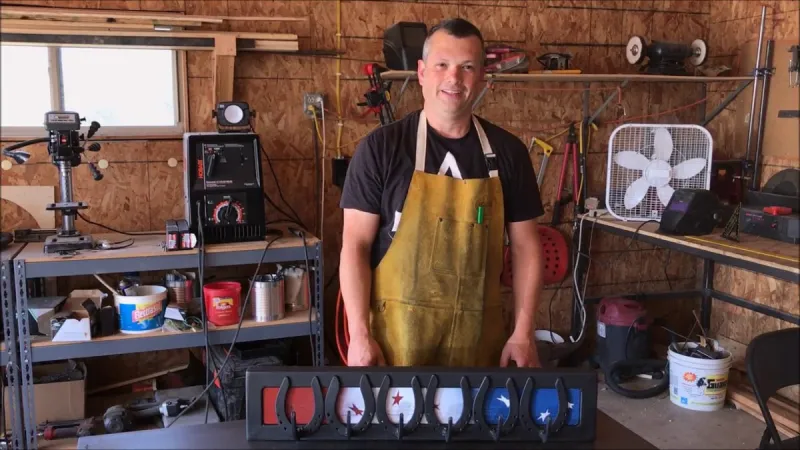
Photo: Southern American outdoor gear manufacturing workshop craftsman, via allamericanholiday.com
There's a quiet revolution happening across the American South, and if you've been paying attention to the outdoor and tactical gear market, you've probably already felt it. Southern-based companies — the kind built in garages, machine shops, and family-owned facilities from Georgia to Texas — are eating into market share that national powerhouses once considered untouchable. And honestly? It's been a long time coming.
At AK47 Southern Co., we live this reality every single day. We know what it means to build something with your hands in the South, and we know the kind of customer who appreciates that. So let's talk about what's actually driving this shift, because it's bigger than just regional pride on a bumper sticker.
The Problem With 'Good Enough'
For decades, national outdoor brands operated on a simple formula: scale big, manufacture cheap, market hard. And for a while, it worked. But the American consumer — especially the Southern one — has grown wise to the game. When you're relying on gear in the field, whether that's a rifle accessory on a morning deer hunt in Alabama or a tactical pack on a backcountry trip through the Appalachians, 'good enough' can mean the difference between a great story and a bad one.
Big national brands moved production overseas to cut costs, and quality followed those costs right out the door. Tolerances got looser. Materials got cheaper. Customer service became a phone tree instead of a person who actually uses the product. Southern consumers noticed, and they started looking closer to home.
Jake Whitfield, owner of a small tactical accessories company based out of Huntsville, Alabama, put it plainly in a recent conversation: "Our customers aren't buying a brand name. They're buying accountability. They know that if something isn't right, they can call me directly. Can you say that about a company headquartered in California with a factory in Vietnam?"
Hard to argue with that.
Regional Manufacturing as a Competitive Advantage
One of the most underappreciated advantages Southern companies hold is proximity — to their materials, their workforce, and their customers. Manufacturing in the South often means shorter supply chains, faster turnaround, and a workforce with a genuine cultural connection to the products being made.
When a company in Tennessee builds a rifle stock or a hunting knife, there's a decent chance the guy running the CNC machine has been hunting since he was eight years old. That kind of embedded knowledge doesn't show up on a spec sheet, but it absolutely shows up in the finished product. Fit, finish, and field-readiness tend to be better when the people building the gear actually use it.
Beyond craftsmanship, domestic — and specifically Southern — manufacturing has become a genuine selling point with today's consumer. Post-pandemic supply chain chaos reminded a lot of Americans just how fragile global production networks can be. Buying from a company that makes its products right here in the States, with American workers and American materials, isn't just patriotic. It's practical.
Data from the Outdoor Industry Association has consistently shown growing consumer preference for domestically manufactured goods, particularly in the firearms accessories and tactical equipment categories. Southern brands positioned for local production are capturing that sentiment directly.
The 'Built South' Consumer Movement
Call it a movement, call it a mindset — whatever label you put on it, there's a growing segment of American buyers who actively seek out Southern-made products. It's not nostalgia. It's values alignment.
The Southern outdoor consumer tends to be deeply rooted in tradition. They value craftsmanship over flash, function over branding, and longevity over trend cycles. They're skeptical of corporate marketing speak and respond far better to straight talk and demonstrated quality. Southern brands, by their very nature, tend to communicate in that language.
Social media has amplified this in ways that weren't possible ten years ago. A small company in rural Mississippi can now reach half a million like-minded consumers without a national advertising budget. Word-of-mouth has always been the lifeblood of Southern commerce, and platforms like Instagram and YouTube have essentially digitized that tradition at scale. When a respected outdoorsman posts a honest review of a Southern-made product and stands behind it, that carries more weight than any glossy magazine spread.
Melissa Tran, a marketing consultant who works specifically with regional outdoor brands, explained it this way: "These companies don't have to manufacture authenticity. It's already baked in. That's an enormous advantage when you're trying to build trust with a skeptical consumer base."
Where the Big Brands Are Stumbling
It would be unfair not to acknowledge that national brands still hold advantages in distribution, retail shelf space, and raw marketing firepower. But several major players have made missteps that Southern competitors have been quick to capitalize on.
Some larger brands have waded into culture war territory in ways that alienated their core customer base. Others have raised prices dramatically without corresponding improvements in quality. A few have dealt with high-profile quality control failures that went viral in the hunting and tactical communities — communities with long memories and loud voices.
Each one of those stumbles opened a door. And Southern companies have been walking through them.
Built South, Built to Last
The outdoor and tactical gear market isn't a zero-sum game, but it is a trust game. And right now, Southern brands are winning that trust in ways that should have the national players paying close attention.
At the end of the day, what the 'Built South' movement really represents is a return to basics: make something great, stand behind it completely, and treat your customer like a neighbor rather than a transaction. That's not a complicated business model. It's just one that got forgotten somewhere along the way.
Down here, we didn't forget. And the market is starting to reflect that.