No Shortcuts, No Excuses: How Southern Makers Turned Quality Control Into a Way of Life

There's an old saying down here that a man's word is only as good as his work. That philosophy didn't stay in the front porch rocking chair — it walked straight into the factory floor and never left. Southern manufacturers have quietly built a reputation for quality that's starting to turn heads in boardrooms and trade shows far outside the region, and it didn't happen by accident.
It happened because the people doing this work simply refuse to let a bad product leave the building.
The Culture Behind the Caliber
You can't fully understand Southern manufacturing quality without understanding where it comes from. This isn't a corporate initiative or a marketing strategy somebody cooked up at a trade conference. The obsession with getting it right is generational. Fathers passed it to sons on the shop floor. Grandmothers inspected every seam before a garment shipped. Gunsmiths staked their entire reputation on a single build that had to function perfectly in the field, because failure wasn't just a business problem — it was a matter of life and death.
That cultural weight still sits on the shoulders of Southern manufacturers today, and most of them will tell you they wouldn't have it any other way.
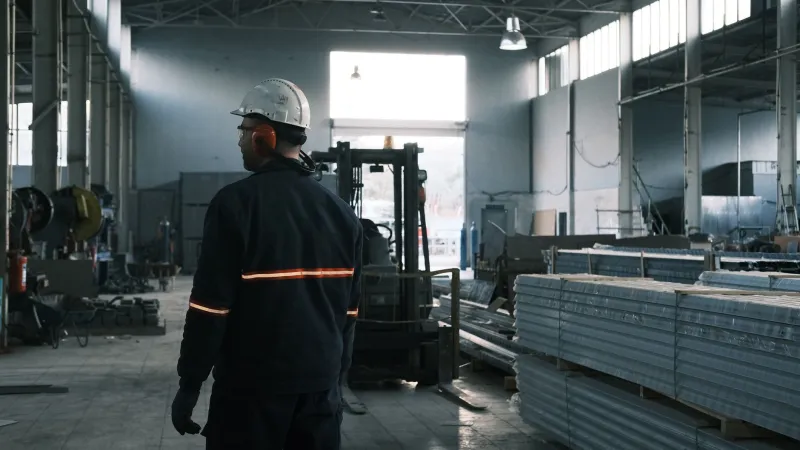
Walk into a mid-sized rifle components shop in rural Tennessee or a precision machining facility in northern Alabama and you'll notice something right away: the people on that floor take their work personally. A bad part isn't just a defect — it's an embarrassment. That attitude, more than any ISO certification or quality management system, is what drives the standards you see coming out of this region.
Where Tradition Meets Technology
Don't let the old-school pride fool you into thinking Southern manufacturers are stuck in the past. The best operations down here have layered cutting-edge inspection technology right on top of those deep-rooted traditions, and the combination is formidable.
Coordinate measuring machines, laser micrometers, digital torque verification systems, and automated optical inspection tools are now standard equipment in facilities that also employ craftsmen who've been doing this work for thirty-plus years. The old hands teach the younger workers what to look for. The technology gives them the tools to find it with precision down to the ten-thousandth of an inch.
For firearm components specifically, that matters enormously. A barrel with a bore diameter that's even slightly out of tolerance doesn't just perform poorly — it can be dangerous. Southern manufacturers who've built their names on rifles, pistol frames, and related components understand that reality in their bones. There's no acceptable defect rate when the end product goes downrange.
The Inspection Process Nobody Talks About
Most consumers never think about what happens between raw material and finished product. In a lot of overseas facilities, the honest answer is: not much. Parts get produced at volume, spot-checked at best, and boxed for shipping. Speed and cost per unit are the metrics that matter.
Southern manufacturers are increasingly operating on a different math entirely.
At many of the region's top facilities, in-process inspection happens at every major production stage — not just at the end of the line. Raw stock gets verified before it ever hits a machine. Machined components are checked mid-run, not just when the batch is complete. Final assemblies go through functional testing that simulates real-world use conditions, not just a visual once-over before packaging.
Some shops have instituted what amounts to a full traceability chain — every component can be tracked back to the specific operator, machine, and material lot that produced it. If something comes back from the field with a problem, they know exactly where to look and how to fix it at the source. That kind of accountability isn't cheap to implement, but it builds the kind of customer trust that no advertising budget can buy.
Why Premium Pricing Is Actually a Bargain
Here's where the business case gets interesting. Southern-made products, particularly in the firearms and outdoor equipment space, often carry price tags that make some buyers hesitate. And that's fair — there's sticker shock when you're comparing against an import that looks similar on the surface.
But the math changes when you think in terms of service life.
A rifle that's been built to tight tolerances with verified components and properly heat-treated steel doesn't just perform better on day one — it performs consistently over thousands of rounds, across years of hard use in conditions that would chew up a lesser build. Outdoor gear built with genuine quality control doesn't fail you in the back of beyond when failure has real consequences. The premium price is, in effect, an insurance policy with a very long coverage term.
Customers who've learned that lesson tend to become intensely loyal. They're not buying a product — they're buying into a standard. And once you've experienced what genuinely uncompromising quality control feels like, going back to the alternative is a hard sell.
The Competitive Pressure That's Actually Helping
One thing worth noting is that the rise of domestic manufacturing competition has, counterintuitively, raised the bar even further for Southern producers. When you're the only game in town, complacency can creep in. When you've got three other regional shops competing for the same customer base, every quality failure costs you more than a single sale — it costs you reputation.
That competitive pressure has pushed Southern manufacturers to invest more in metrology equipment, more in workforce training, and more in process documentation than they might have otherwise. The result is a rising tide that's lifting quality standards across the board in ways that benefit every buyer in the market.
Built Right or Not at All
At the end of the day, the Southern manufacturing quality story is really a character story. It's about people who connect what they make to who they are — and who simply aren't willing to put their name on something that doesn't meet the standard they set for themselves.
That's not a management philosophy you can import. It's not a certification you hang on the wall. It's a way of working that gets handed down, reinforced daily, and defended fiercely by the people doing the work.
The rest of the market is starting to notice. Buyers who've been burned by cheap imports, by inconsistent tolerances, by products that look right in the box and fail in the field — they're coming back to American-made. And when they do, a whole lot of them are finding their way to the South.
Built South. Built Tough. Built Right. It's not just a tagline down here. It's a standard that's been earned, one rigorously inspected part at a time.