Hammer, File, and Fire: How Southern Gunsmiths Are Bringing a Dying Craft Back to Life

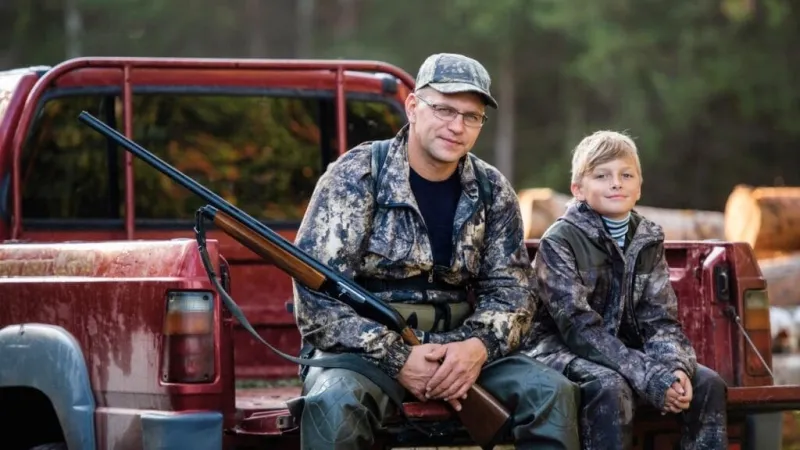
Photo by Photo by Beth Macdonald on Unsplash on Unsplash
The Shop at the End of the Dirt Road
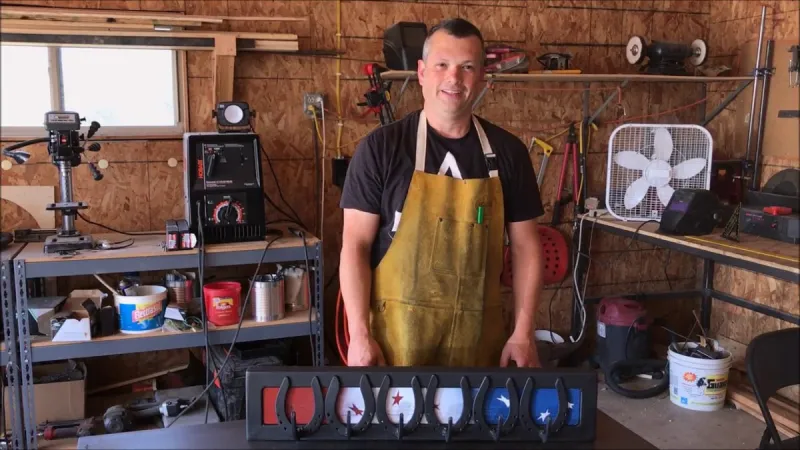
There's a workshop outside of Cullman, Alabama, that doesn't have a sign out front. You find it the way folks used to find everything worth finding down South — by word of mouth. Walk through the door and the smell hits you first: gun oil, raw steel, and the faint char of a torch. The walls are lined with hand tools that look like they belong in a museum. The man behind the bench, however, is 34 years old.
His name is Cody Merritt, and he's been fitting and finishing firearms by hand since he was a teenager watching his grandfather work. "People act like this is some kind of lost art," Cody says without looking up from the action he's stoning smooth. "It ain't lost. It just moved to the back roads where it always belonged."
Cody isn't alone. From the piney woods of East Texas to the Blue Ridge foothills of western North Carolina, a genuine renaissance is taking shape in Southern gunsmithing. Young craftsmen — and a few women — are enrolling in trade programs, apprenticing under masters, and opening small shops that are earning reputations far beyond their zip codes. The reasons are equal parts passion, practicality, and regional pride.
Why the Trade Nearly Disappeared
For a stretch of time, it looked like the neighborhood gunsmith might go the way of the blacksmith and the cobbler. Big-box sporting goods stores, factory warranties, and a flood of imported firearms made it easy — and cheap — to simply replace rather than repair. Gunsmithing programs at vocational schools shuttered. The old-timers retired. And a generation grew up thinking a trigger job was something you ordered online.
But something shifted. Firearms ownership surged over the past decade. Hunters and competitive shooters started demanding more out of their guns. Custom builds became a status symbol in certain circles. And a whole lot of Southern men and women decided they'd rather trust a local craftsman who stands behind his work than ship a rifle halfway across the country to some anonymous service center.
"People got tired of cookie-cutter," says Danny Thibodaux, a master gunsmith out of Breaux Bridge, Louisiana, who has been working metal for over 30 years. "Down here, we take pride in things being built right. A firearm is personal. It ought to fit you, function for you, and last longer than you do."
Danny now takes on two apprentices at a time, something he started doing five years ago when he noticed the demand for skilled work outpacing the supply of people who knew how to do it.
Heritage Techniques Meet Modern Demands
What sets the Southern gunsmithing revival apart isn't just nostalgia. It's the marriage of traditional handwork with contemporary precision tools. Many of these craftsmen use CNC machines for roughing out parts, then finish everything by hand — fitting, polishing, and timing components the way it's always been done.
Merritt, for example, builds custom bolt-action rifles that start on a digital blueprint but end up shaped by files, stones, and feel. "A machine can get you 90 percent of the way there," he explains. "The last 10 percent is what separates a good gun from a great one. That part's still done by hand."
In Boone, North Carolina, gunsmith Leah Harmon has built a following among long-range precision shooters who come to her for custom barrel threading, action blueprinting, and stock fitting. She trained formally at Sonoran Desert Institute, then apprenticed under a retired military armorer before opening her own shop. Her waiting list runs six months deep.
"There's a real appetite for craftsmanship right now," Leah says. "People are spending real money on quality, and they want to know the person who built their firearm. That personal relationship — that accountability — it means something."
Economic Opportunity in Unexpected Places
Beyond the cultural appeal, gunsmithing is proving to be a legitimate economic engine in rural communities that have seen manufacturing jobs dry up for decades. A skilled gunsmith with a solid reputation can charge $80 to $150 an hour for custom work, with top craftsmen commanding far more for bespoke builds.
Vocational programs in states like Tennessee, Georgia, and Mississippi have started reintroducing gunsmithing tracks, sometimes in partnership with local shooting ranges or firearms dealers. Murray State College in Oklahoma — close enough to the Southern spirit to count — runs one of the most respected gunsmithing programs in the country, and its graduates are increasingly choosing to set up shop closer to home rather than chase corporate jobs in bigger cities.
"This is real work," says Thibodaux. "Skilled, dignified, well-paying work. And you get to do it in your own community, for people you know. You can't put a price on that."
The Community That Keeps It Going
One of the underappreciated drivers of this revival is the tight-knit community of Southern shooters, hunters, and collectors who actively support local craftsmen. Gun shows, hunting clubs, and shooting leagues serve as informal referral networks. A good trigger job travels fast by reputation.
Social media has amplified this effect. Gunsmiths who post their work on platforms like Instagram and YouTube have found audiences — and customers — they never could have reached through a classified ad in a local paper. Cody Merritt has shipped custom work to buyers in 22 states, all built out of that unmarked shop off a dirt road in Alabama.
But the heart of it remains local. It's the farmer who brings in his granddaddy's old Winchester for a restoration. The deer hunter who wants a custom trigger on his bolt gun before the season opens. The competitive shooter who needs a barrel threaded just right. These are the people keeping the lights on and the forge hot.
Built to Last
At AK47 Southern Co., we believe in things built to endure — guns, values, and the trades that produce them. The Southern gunsmithing revival isn't just a feel-good story. It's proof that when a community decides something is worth preserving, it finds a way. These craftsmen aren't just fixing guns. They're maintaining a living connection to a tradition that runs deep in Southern culture.
The next time your rifle needs work, look past the big-name service centers. There's a good chance there's a talented gunsmith within an hour of your front door — working out of a shop you'd never find without directions — who can do it better, faster, and with a whole lot more pride in the finished product.
That's the Southern way. Always has been.