From Foxholes to Forge Fires: How Southern Veterans Are Building New Lives in the Trades
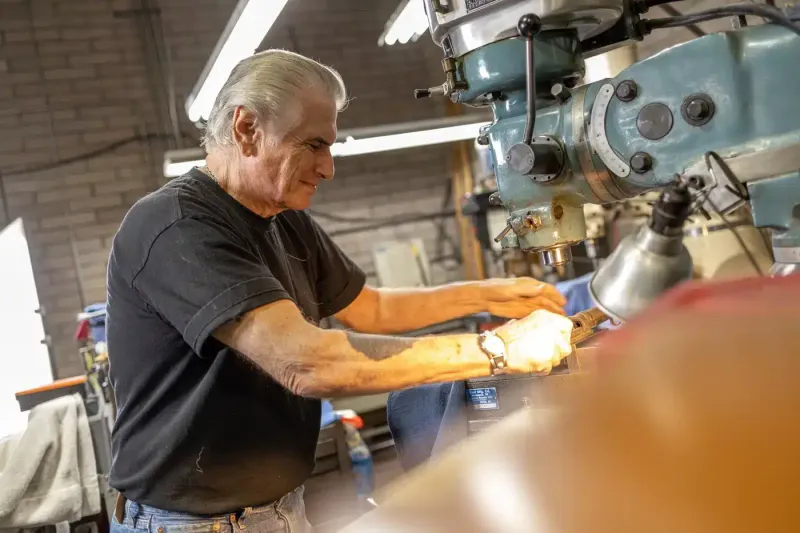
Photo: veteran tradesman gunsmith metalworking workshop Southern USA, via www.thearmorylife.com
Cody Harwell spent eight years as an Army combat engineer. He cleared roads in Afghanistan, built bridges under pressure, and learned the kind of mechanical problem-solving that only comes from working in environments where getting it wrong has real consequences. When he came home to Meridian, Mississippi, he wasn't sure what came next.
He figured it out at a workbench.
Today, Cody runs a gunsmithing and custom metalwork shop out of a converted barn on his family's property. His waiting list stretches three months out. His clientele includes competitive shooters, collectors, and working hunters who've heard through the grapevine that the guy in Meridian does work that's hard to find anywhere else.
"The Army taught me to pay attention," Cody says, holding a rifle action up to the light and squinting down the receiver. "Tolerances matter. Details matter. You don't get sloppy and walk away clean. That mindset translates perfectly to this work."
Cody's story is one of dozens playing out across the South right now, as veterans returning from service discover that the trades — gunsmithing, precision machining, welding, fabrication — offer something the corporate job market often can't: work that's tactile, purposeful, and grounded in the same values the military instilled.
The Skills Gap Nobody Talks About Enough
While headlines obsess over automation and artificial intelligence reshaping the economy, a quieter crisis has been building for years in skilled trades. Experienced machinists, gunsmiths, and metalworkers are retiring faster than the next generation is stepping in to replace them. Technical schools are underfunded. Cultural messaging has pushed young people toward four-year degrees and away from the shop floor.
The result is a yawning talent gap — and an opportunity.
Veterans, it turns out, are exceptionally well-positioned to fill it. Military service produces men and women who are comfortable with complex equipment, disciplined about process, and accustomed to working under pressure with high stakes attached. Those aren't just soft skills — they're the exact qualities that separate a mediocre tradesperson from a great one.
"Veterans already think in systems," says Dale Pittman, director of a veteran workforce development program based in Knoxville, Tennessee. "They understand maintenance cycles, they understand precision, they understand that doing something right the first time saves you from a disaster later. That's tradecraft. We're just helping them apply it in a civilian context."
Pittman's program partners with local manufacturers and gunsmithing schools to provide veterans with subsidized training, mentorship from working craftsmen, and direct pathways to employment or self-employment. Since launching five years ago, they've placed over 200 veterans into trade careers across the region.
Why the South Fits
There's a reason this trend is particularly concentrated below the Mason-Dixon line. The South has always had a strong cultural current connecting military service, firearms, and working with your hands. These aren't separate traditions — they flow from the same source. A man who grew up hunting with his grandfather, who served his country, and who now builds rifles for a living isn't moving between different worlds. He's living one continuous story.
That cultural alignment makes the South fertile ground for veteran tradespeople. Customers relate to them. Communities support them. And the region's existing network of small manufacturers, outdoor gear companies, and firearms-related businesses provides a natural customer base for veterans setting up their own shops.
Take James "Bull" Bullock, a Marine Corps veteran from outside Dothan, Alabama, who spent four years as an armorer before transitioning out. He parlayed that experience into a custom welding and fabrication business that now supplies components to three regional outdoor equipment manufacturers.
"Down here, people respect what you did and they respect what you can do with your hands," Bull says, wiping grease from his forearms with a shop rag. "Those two things together open a lot of doors. I've never once had to explain to a Southern customer why precision matters. They already get it."
Training Programs Closing the Gap
Beyond individual bootstrapping, a growing infrastructure of formal programs is helping veterans make the leap into trade careers more systematically.
The Veterans' Employment Initiative, operating through several Southern community colleges, offers accelerated gunsmithing and machining certifications specifically designed around the skills veterans already possess. Rather than starting from zero, the curriculum builds on military technical training — weapons maintenance, mechanical systems, quality control procedures — and extends it into civilian trade applications.
Similarly, organizations like Workshops for Warriors, which operates nationally but draws heavily from the South's large veteran population, provide tuition-free advanced manufacturing training. Their graduates earn nationally recognized certifications in welding, CNC machining, and fabrication — credentials that carry real weight with employers and clients alike.
The economic case for these programs is straightforward. Trade jobs in precision manufacturing and gunsmithing command solid wages — often $45,000 to $75,000 annually for employed tradespeople, with self-employed craftsmen frequently earning more. For veterans who might otherwise struggle to translate military experience into civilian employment, these careers offer financial stability and genuine professional satisfaction.
More Than a Career — A Calling
What strikes you most when you spend time around veteran tradespeople in the South isn't just the quality of their work — it's the sense of purpose they carry into it.
Cody Harwell puts it plainly: "When I was in, the mission mattered. What we were doing had weight to it. I needed that same feeling in whatever I did next. When I'm working on a rifle for a guy who's going to use it to feed his family or protect his property, that has weight. I don't take it lightly."
That seriousness of purpose — the refusal to treat craftsmanship as just a job — is exactly what the South's manufacturing and trade economy needs more of. And veterans, it turns out, have been carrying it all along.
The forge fires are burning. The workbenches are full. And the men and women who once served their country overseas are now serving their communities one precision-cut part at a time.

