No One Left to Teach: The Quiet Crisis Emptying Southern Gun Trades of Their Next Generation

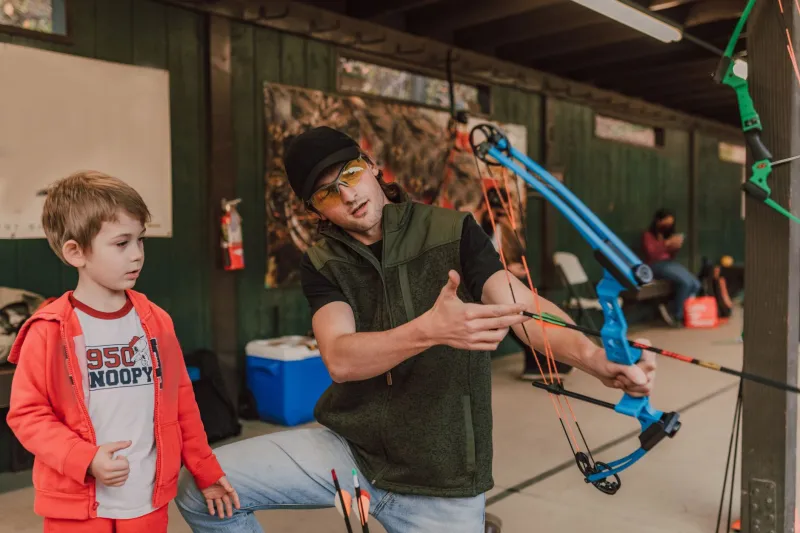
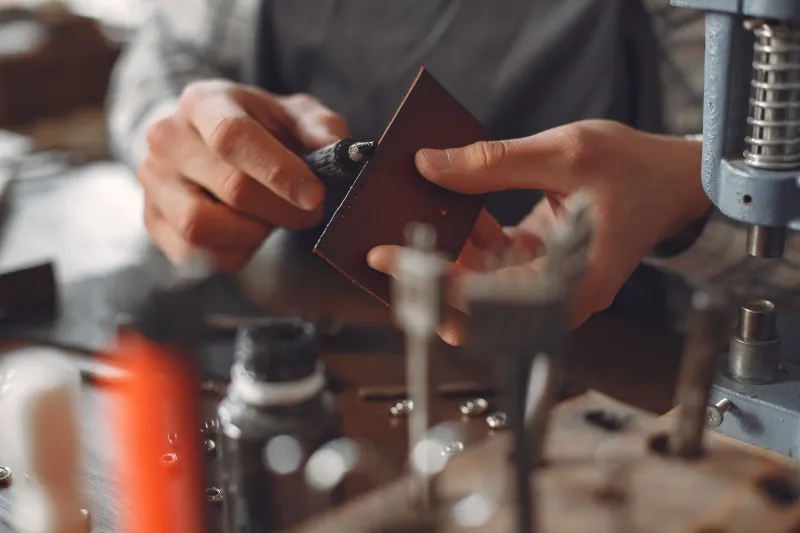
Photo: gunsmith apprentice workshop elderly craftsman teaching young person firearms, via i.ytimg.com
The Last Man at the Bench
Eugene Pruitt has been fitting barrels and tuning triggers in his Spartanburg, South Carolina shop for forty-one years. He knows how to read the wear pattern on a bolt face and tell you exactly what the rifle's been through. He can feel a trigger break that's a half-pound off spec without looking at a gauge. He's tried to teach this to four different apprentices over the past decade.
None of them stayed.
"First one lasted eight months," Pruitt says, not bitterly — more like a man recounting weather. "Second one, about the same. Third one got a job offer from a big-box sporting goods chain making more than I could pay him. Fourth one... he just stopped showing up one day."
Pruitt is sixty-seven. He has no succession plan. When he closes the shop — and that day is coming — forty-one years of accumulated, irreplaceable knowledge walks out with him.
This scene, repeated across the South in gunsmithing shops, small ammunition operations, and engraving studios, represents one of the most significant and least-discussed crises in Southern firearms culture. The trades are aging. The apprentices aren't coming. And the window to fix it is narrowing fast.
Why the Pipeline Dried Up
The causes aren't mysterious, but they're layered in ways that make simple solutions difficult.
First, there's the wage problem. Entry-level gunsmithing apprenticeships — where they exist at all — pay modestly. Learning a trade means accepting below-market wages for one, two, sometimes three years while skills develop. For young people carrying student loan debt or facing rising housing costs, that's a hard sell, especially when the same mechanical aptitude lands a job in HVAC or auto mechanics at better starting pay.
Second, there's the visibility problem. The gun trades don't recruit the way other industries do. There's no national apprenticeship board running ads. No corporate HR department with a pipeline program. Most of the work happens through personal connections — a mentor who knows a kid who shows promise, a gun club that happens to have a young member with interest and patience. When those organic connections don't form, the pipeline stays empty.
Third — and this is the one nobody wants to say out loud — the culture around skilled trades has taken a beating. A generation of parents pushed their kids toward four-year degrees regardless of aptitude or interest, and the message that landed was that working with your hands was a lesser path. That attitude has cost the South dearly across multiple trades, and the gun crafts are no exception.
"I had a kid come in once, real talented, good hands, sharp mind," says Carolyn Beecham, who runs a small custom rifle shop in north Georgia. "His parents found out what he was doing and talked him out of it inside of a month. Told him he was wasting his potential. That one stung."
The Rare Ones Who Stay
They exist. They're just not common.
Jordan Calloway is twenty-four years old and eighteen months into an apprenticeship with a gunsmith in Natchitoches, Louisiana. He came to it sideways — started as a shooter, got obsessed with understanding why his rifle wasn't grouping the way he wanted, started watching his mentor work, and never left.
"I'm not making great money right now," Calloway admits freely. "But I'm learning something that almost nobody knows how to do. That's worth something to me."
What keeps him is a combination of intellectual engagement and a longer view of economic opportunity. Custom gunsmithing isn't a dying market — it's actually undersupplied. Waiting lists at quality shops stretch months or years. The craftsmen who survive long enough to build a reputation can charge accordingly.
"There's money in this," Calloway says. "There's just a wait before you can charge for it. People don't have patience for the wait anymore."
Amanda Thorne, twenty-six, chose a different path into the trades — through ammunition manufacturing at a small operation in eastern Tennessee. She came from a family of hunters, knew the product, and saw a gap in the market for locally-made, quality-controlled hunting loads. She's been learning the craft for two years and has already started developing her own load data.
"People are always surprised," she says with a half-smile. "Which tells me there's a perception problem as much as a real shortage problem. Young people could be doing this. They just don't know it exists as an option."
What Might Actually Help
Solutions get floated regularly in trade circles. Some are realistic. Some aren't.
Vocational program integration is the most commonly cited fix, and it has real merit. A handful of community colleges in the South already offer gunsmithing coursework, and the ones that do tend to have full enrollment. The problem is that formal education produces graduates with foundational knowledge, not the deep craft fluency that comes from years at a working bench. Formal training and real apprenticeship need to work together, not substitute for each other.
Wage subsidy programs — either through industry associations or state workforce development initiatives — could make apprenticeships more financially viable for young people without gutting small shop owners who can't afford to overpay for labor they're also investing time in training. This is an area where gun industry associations could do more than they currently do.
Mentorship networks that connect retiring craftsmen with interested young people before institutional knowledge disappears are low-cost and high-impact. Some gun clubs have started doing this informally. It needs to scale.
And the cultural shift — the rehabilitation of skilled trades as a legitimate, respected career path — is happening slowly but it is happening. The trades revival conversation has gotten louder in the past five years, and that's not nothing.
Before the Bench Goes Cold
Eugene Pruitt isn't giving up on finding an apprentice. He's lowered his expectations around pay timeline and raised his investment in teaching. He's talking to two gun clubs about identifying young members who show mechanical interest. He's patient, but he's not deluded.
"I've got maybe ten good years left in this shop," he says. "Ten years is enough to teach somebody what they need to know. But only if they show up."
The South has always passed its trades down through relationships — father to son, mentor to student, neighbor to neighbor. That chain is intact, just barely. But chains don't repair themselves. Someone has to pick up the broken end and hold it together long enough for the next link to form.
The question is whether the South's gun culture — proud, deep-rooted, and fiercely protective of its heritage — will treat this crisis with the same urgency it brings to everything else worth fighting for.
It should.