Dressed Wrong for the Woods: Why Southern Hunters Are Ditching Big-Brand Gear for Something That Actually Works
Photo: F. Murgas/ESO, CC BY 4.0, via Wikimedia Commons
The Problem With Gear Built for Postcards
Flip through any major outdoor gear catalog and you'll see the same thing — some chiseled guy standing on a rocky ridgeline at altitude, breath fogging in thin air, wearing a $400 jacket that's probably more at home in Colorado than it is in a Georgia swamp bottom. The imagery is aspirational. The gear? Often useless south of the Mason-Dixon.
Southern hunters deal with conditions that most mainstream outdoor brands seem to have designed around by accident, if at all. High humidity that turns "moisture-wicking" fabric into a damp rag within an hour. Temperatures that swing thirty degrees between pre-dawn and midday. Thick vegetation that shreds lightweight fabrics on first contact. Red clay mud that gets into everything and stays there.
The result is a market full of gear that looks great in a catalog and falls apart in the field — at least the Southern field.
"I've bought stuff from three or four of the big names," says Clay Denton, a deer hunter and turkey caller from central Alabama who's been working Southern woods for over thirty years. "And every single time, I end up modifying it, replacing part of it, or throwing it in the back of the truck and going back to what works."
He's not alone.
Humidity Is the Enemy No One Designs For
Let's talk specifics. The Southeast sits in a humidity corridor that makes moisture management a genuine technical challenge. A base layer that performs beautifully in dry Western air becomes a soggy, chafing mess when ambient humidity is sitting at 85 percent before the sun rises.
Merino wool — the darling of the backcountry crowd — handles odor well but dries slowly. Synthetic blends marketed as "breathable" often trap heat in still, humid air where convection cooling barely functions. And the layering systems designed for cold mountain mornings don't translate to a Southern October where you're sweating through your shirt before you hit the tree stand.
Linda Hargrove, who guides turkey hunts in the Conecuh National Forest in Alabama, has made a personal mission out of testing and rejecting mainstream gear. "The marketing language is designed for a different climate," she says flatly. "They talk about moisture management like it's about rain. Down here, you're wet from the air before it ever rains."
Hargrove now sources most of her hunting clothes from small Southern makers — a seamstress in Brewton who cuts custom shirts from a lightweight cotton-poly blend she's refined over years, a boot maker in Mississippi who builds waders with drainage systems designed for shallow creek crossings rather than deep mountain snowmelt.
Where Big Brands Miss the Mark on Durability
Beyond moisture, there's the durability problem. Southern hunting terrain — briar thickets, barbed wire fences, cypress knees, cane breaks — is genuinely brutal on fabric. The ultralight trend that swept the outdoor industry over the past decade produced some impressive weight savings and some spectacular field failures.
Ripstop nylons rated for "abrasion resistance" by lab standards tear on first contact with a blackberry cane. Seam tape peels after a season of repeated washing in hard Southern well water. Zippers corrode faster in salt air coastal environments than manufacturers' specs account for.
"I had a pair of pants from a brand I won't name that cost me two hundred dollars," says Denton. "First morning out, I'm walking through a cutover and they're shredded from the knee down. First morning."
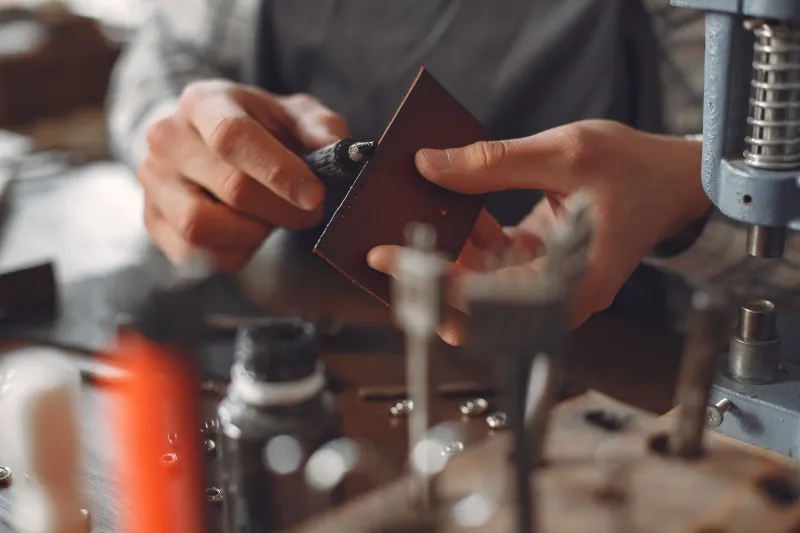
The Southern response to this isn't complaint — it's construction. Regional makers, many of them operating small and selling direct, have stepped into the gap with heavier fabrics, reinforced stress points, and design choices made by people who've actually hunted the terrain they're designing for.
What Southern Makers Are Getting Right
A handful of small operations across the region have quietly built loyal followings by doing something radical: asking actual Southern hunters what they need and then making it.
Double-layered brush pants with reinforced knees and seat. Shirts cut with extra length to stay tucked during active movement. Vests with pocket configurations designed for turkey calls and shell loops, not hydration bladders. Boot construction that accounts for clay soil adhesion, not just waterproofing.
These aren't glamorous products. You won't see them in a glossy spread. But they're built by people who understand that hunting the South is a specific, demanding activity that deserves specific, well-considered gear.
"The guy making my brush pants has been hunting this county his whole life," says Hargrove. "He knows what a cane break does to fabric. He knows how hot it gets in a ground blind in September. You can't replicate that with a focus group in Portland."
Practical Aesthetics Matter Too
There's also the question of aesthetics — not vanity, but practical visual profile. Southern hunters, particularly deer and turkey hunters, have strong opinions about camo patterns. The high-contrast digital patterns popular with military-adjacent gear lines stand out badly in the open hardwood forests and pine plantations that define much of Southern hunting country.
Traditional patterns — older Mossy Oak, Realtree variants, and some of the newer Southern-developed designs — work better in the specific visual environments Southern hunters actually occupy. But mainstream brands chase what's marketable, not what's effective, and the result is shelves full of patterns that look tactical but perform poorly in the field.
Local makers, again, are filling this gap with regional pattern development and custom dye work tailored to specific terrain types.
Vote With Your Dollar
The outdoor gear industry isn't going to reform itself because Southern hunters write letters. But the market responds to purchasing decisions, and Southern hunters who keep buying gear that doesn't work are subsidizing the problem.
The alternative is there. It's smaller, quieter, and won't have a Super Bowl ad. But it's built by people who know exactly what you're walking into when you push through that first line of brush at first light — because they've done it themselves, in the same mud, under the same heavy Southern sky.
That's worth a lot more than a good catalog photo.